

Disclaimer
LWS Financial Research is NOT a financial advisory service, nor is its author qualified to offer such services.
All content on this website and publications, as well as all communications from the author, are for educational and entertainment purposes only and under no circumstances, express or implied, should be considered financial, legal, or any other type of advice. Each individual should carry out their own analysis and make their own investment decisions.
New content
This week has been packed with updates at LWS Financial Research:
On the website dashboard, the calendar is now included, and it will be populated both going forward and retrospectively.
Valuation article by Rodrigo.
Weekly macro summary
There have been quite a few interesting events to analyze this week, and below I list the most noteworthy news. Let's get started:
Christine Lagarde may be considering stepping down as ECB President before October 2027, with a fairly clear political objective: ensuring that Emmanuel Macron (already out of the running for a third term) still has real leverage over the choice of her successor ahead of France’s spring 2027 presidential election, where the possibility of a Eurosceptic victory could complicate the usual “consensus.” Formally, the job is decided by euro area leaders, but in practice nobody gets there without Paris and Berlin signing off, and France sees itself as having a kind of right of first refusal by institutional weight. The ECB, in fact, has tried to douse the fire with a statement more tepid than in previous episodes, saying Lagarde has not taken any decision and is focused on her mandate. For now, markets are barely reacting, because the ECB is deliberately collegial and continuity-driven. The face changes, not the machine. Still, the noise matters for what it implies about independence and politicization at a time when pressure on central banks is back on the table, with the precedent of public attacks on the Fed in the U.S. and the risk that Europe catches that dynamic. Next year, the terms of Philip Lane (chief economist) and Isabel Schnabel (market operations) also expire, so there could be three relevant seats being negotiated at once. That fits the usual European method, of carving things up by quotas and national balances, especially when big countries tend to secure a de facto permanent presence. The betting pool includes very orthodox, non-disruptive names like Klaas Knot, Pablo Hernández de Cos, or Joachim Nagel, with Schnabel as a theoretical option but constrained by the non-renewable term rule for Executive Board members. The political detail that gives context is that Banque de France Governor Villeroy de Galhau has also just announced an early departure, which feeds the perception of an institutional “battening down the hatches” ahead of a possible change of power in Paris. Here’s the real risk, trying to get ahead of the vote to protect the European architecture can end up sending exactly the opposite message—elites controlling the board. And that kind of signal is usually fuel for populist movements, not a firewall. That said, if Lagarde wanted to pick the “optimal” moment from a macro standpoint, it’s not crazy: inflation at target, rates in the neutral zone, and growth near potential—historically rare. That said, none of it has been thanks to her (if anything, the opposite). You won’t be missed, Christine.
Democracy is about to arrive in Iran. Oil bounced sharply and slipped back under the classic script of a geopolitical risk premium—more headlines, more volatility, more price. Brent climbed above $72/barrel and WTI above $67/barrel, both at their highest close since January 30, after hitting two-week lows the day before. The move came mostly late in the session, after market reports of Israel raising its alert level amid indications of a possible attack on Iran by the U.S. and Israel. Against that backdrop, the market isn’t pricing fundamentals so much as pricing an outage scenario, which also showed up in the jump in heating oil (~+5%).
In parallel, Iran-related headlines are stacking up in both directions. On Tuesday, crude fell after comments by Iran’s minister about an understanding on guiding principles for nuclear talks, but on Wednesday the semi-official Fars agency reported joint Iran–Russia naval drills (Sea of Oman and northern Indian Ocean). Iranian state media also pointed to a temporary closure of parts of the Strait of Hormuz as a precaution during Revolutionary Guard exercises, later describing it as a closure of “a few hours,” without clarifying whether reopening was complete. The other “pillar” of the day was Eastern Europe: Russia–Ukraine peace talks in Geneva ended without progress, and Zelenskiy accused Moscow of dragging out U.S.-mediated efforts. The market read here is straightforward: if the process derails, political pressure could rise to tighten controls on Russian exports, and any expectation of lower Russian flows adds support to prices. My view is that an attack on Iran is now inevitable (a deal is very, very unlikely) after the end of Ramadan, on March 19.
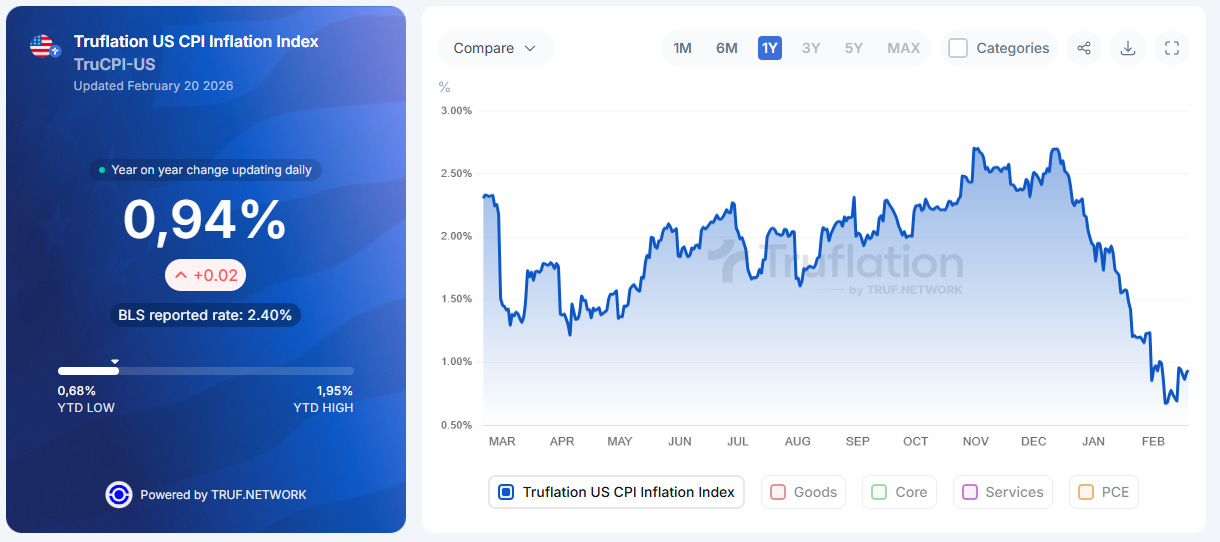
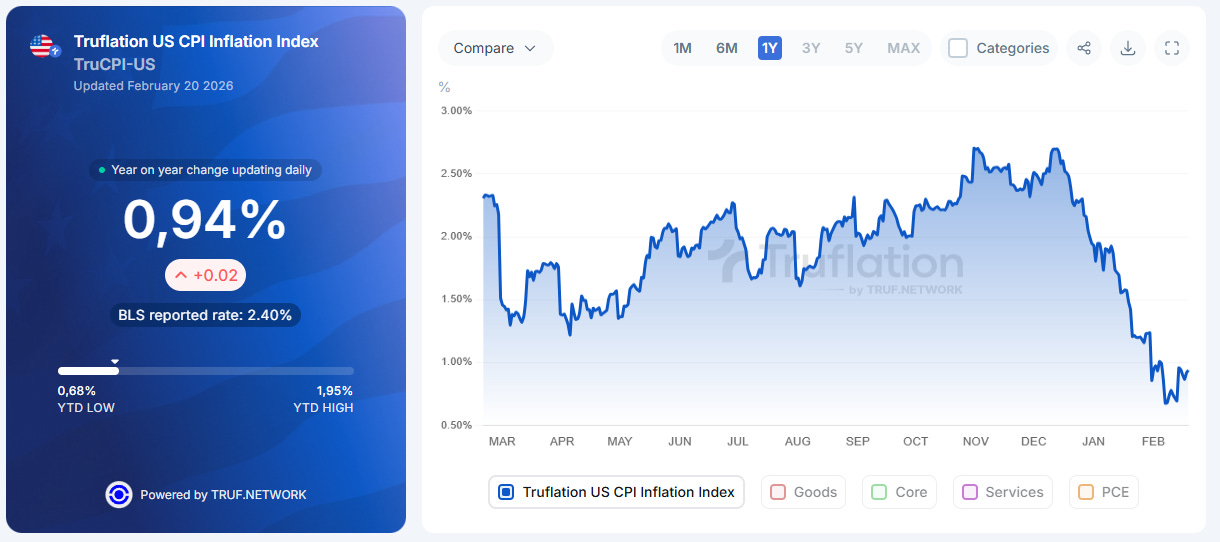
The Fed minutes from last month depict a committee that was almost unanimous on the decision to pause, but fractured on the “what now?”. At the January 27–28 meeting, nearly everyone supported keeping the policy rate in the 3.50%–3.75% range, but from there three camps emerge: one group that sees it as plausible to hike again if inflation stays sticky; another that wants to hold for a while and wait for the data (and within that bloc there are those who don’t see cuts until disinflation is clearly established); and a third group that, in its base case, still envisions further cuts if inflation falls as they expect. The important nuance is that, for the first time in quite a while, the minutes explicitly incorporate the possibility of upward adjustments to the target range if inflation remains above 2% (noting it is roughly 1 percentage point above). Fortunately, real inflation (which they are not able to see) is below 1%.
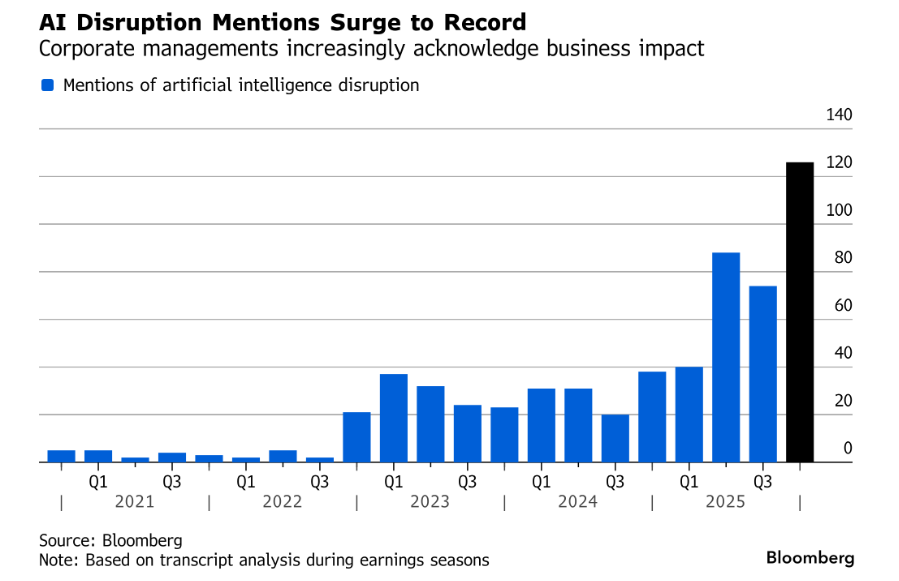
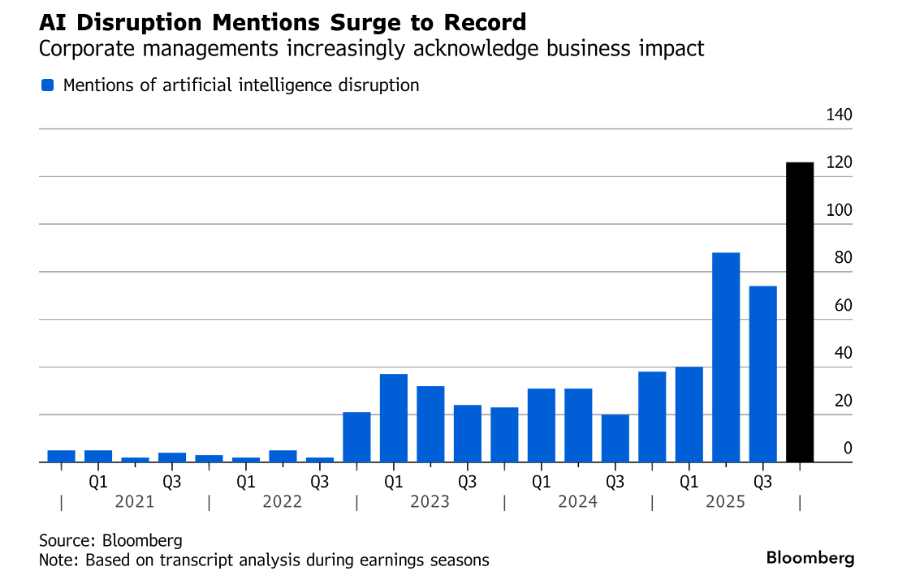
The new angle—and one that could alter decisions—is AI, which enters as a macro wildcard. Some participants buy the idea of a productivity boom that eases cost pressures and pushes inflation lower, but most warn that the path back to 2% could be slower and more uneven, and that the risk of persistently high inflation is significant. In fact, the main fear around AI is its potential to change the structure of the labor market, with the accompanying risk of social fracture.
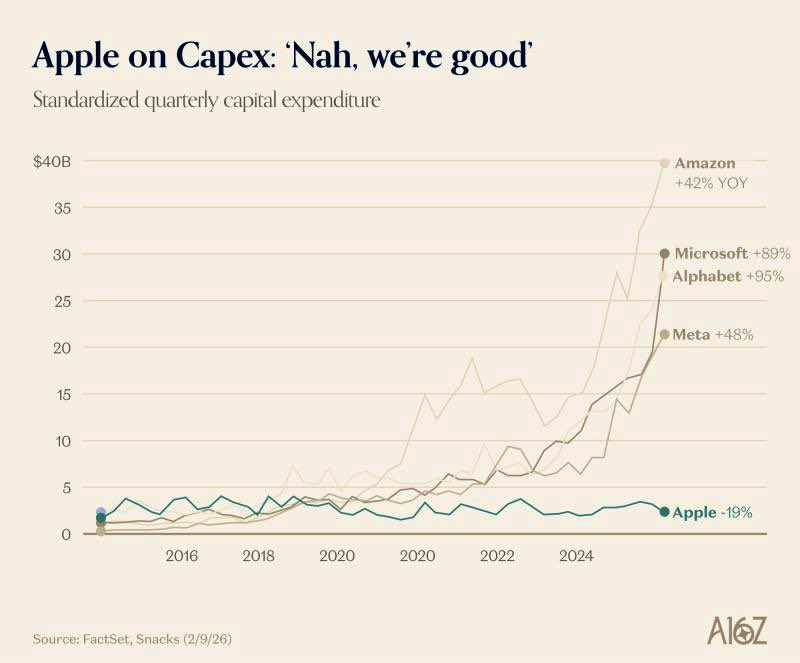
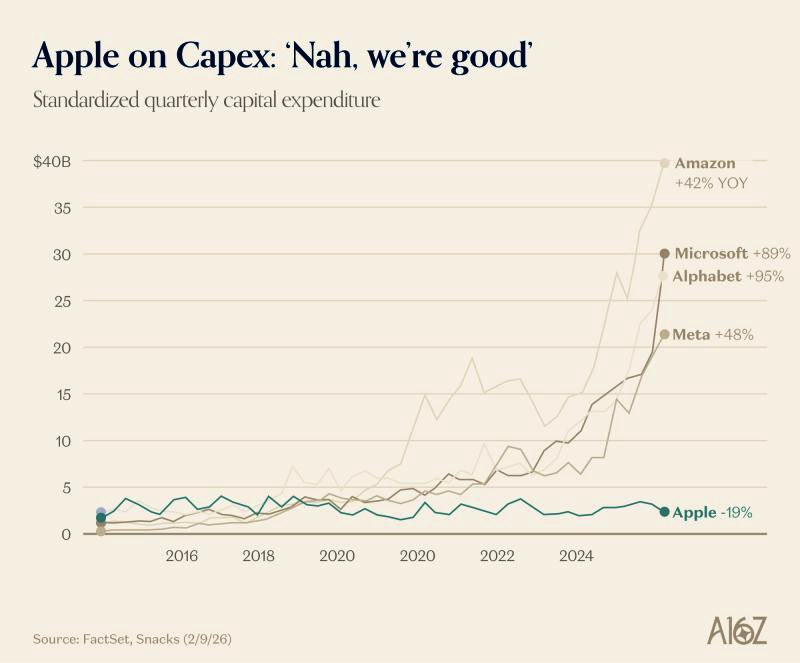
CapEx tied to this new technology is one of the main drivers of current U.S. economic growth, although doubts remain about its future returns. In fact, because of the sheer scale of cash required, we’ve begun to see even hyperscalers—with strong balance sheets and highly profitable businesses—having to tap the debt market to finance their plans. One striking example is Google, which has issued a 100-year bond (the last time was Motorola in 1997—draw your own conclusions…). For now, among the major market leaders, only Apple has stayed out of this frenzy, betting instead on simply integrating the eventual winner of the AI race into its ecosystem.
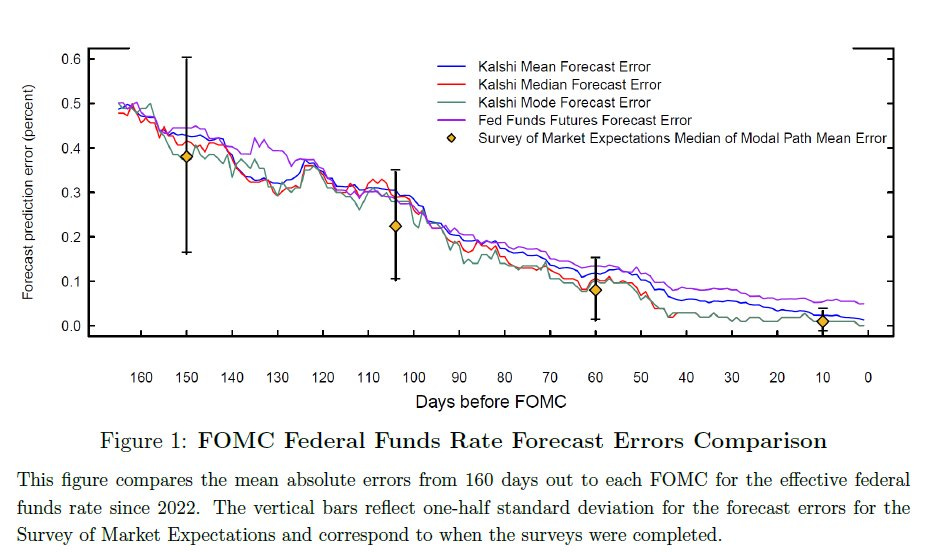
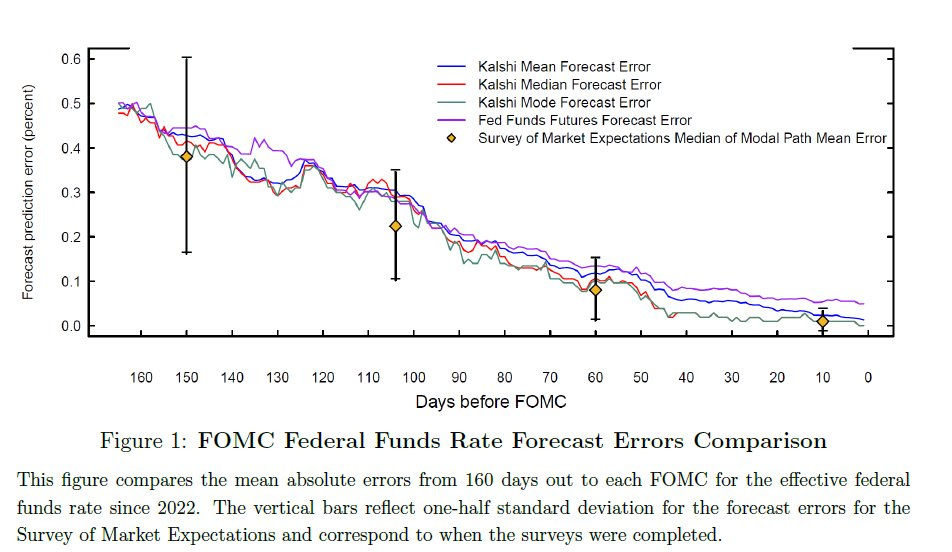
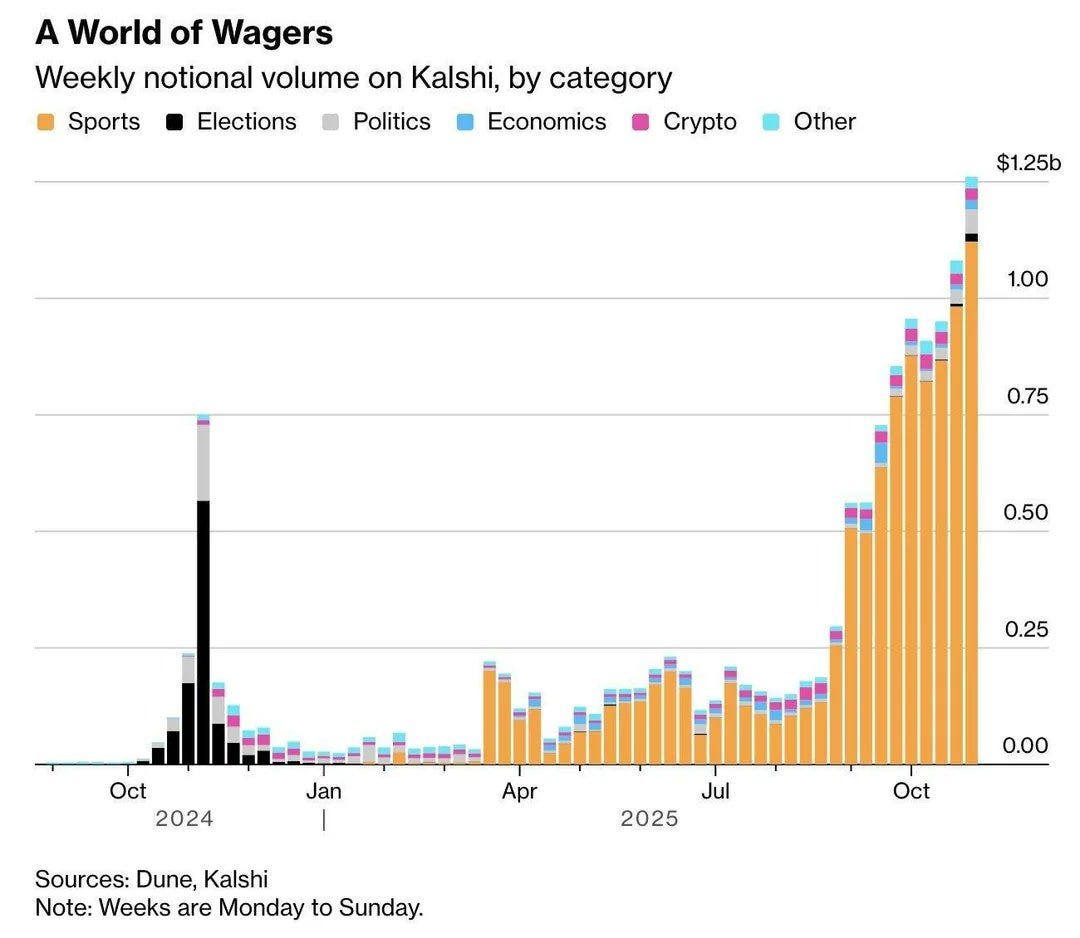
The new era demands adaptation and mental flexibility. It is clear that opinion agencies and traditional media have become obsolete, and their editorial biases prevent them from offering an objective view of economic and political events. In Thinking, Fast and Slow, Nobel laureate Daniel Kahneman discusses and demonstrates how the wisdom of crowds (the average derived from many independent, unconstrained opinions) has very high predictive value if the sample is large enough. This is how decentralized markets like Kalshi or Polymarket work, where the only interest and bias is the desire to earn returns. In fact, recent studies have found that the predictions from these markets are far more accurate than those of Bloomberg or even the Fed itself.
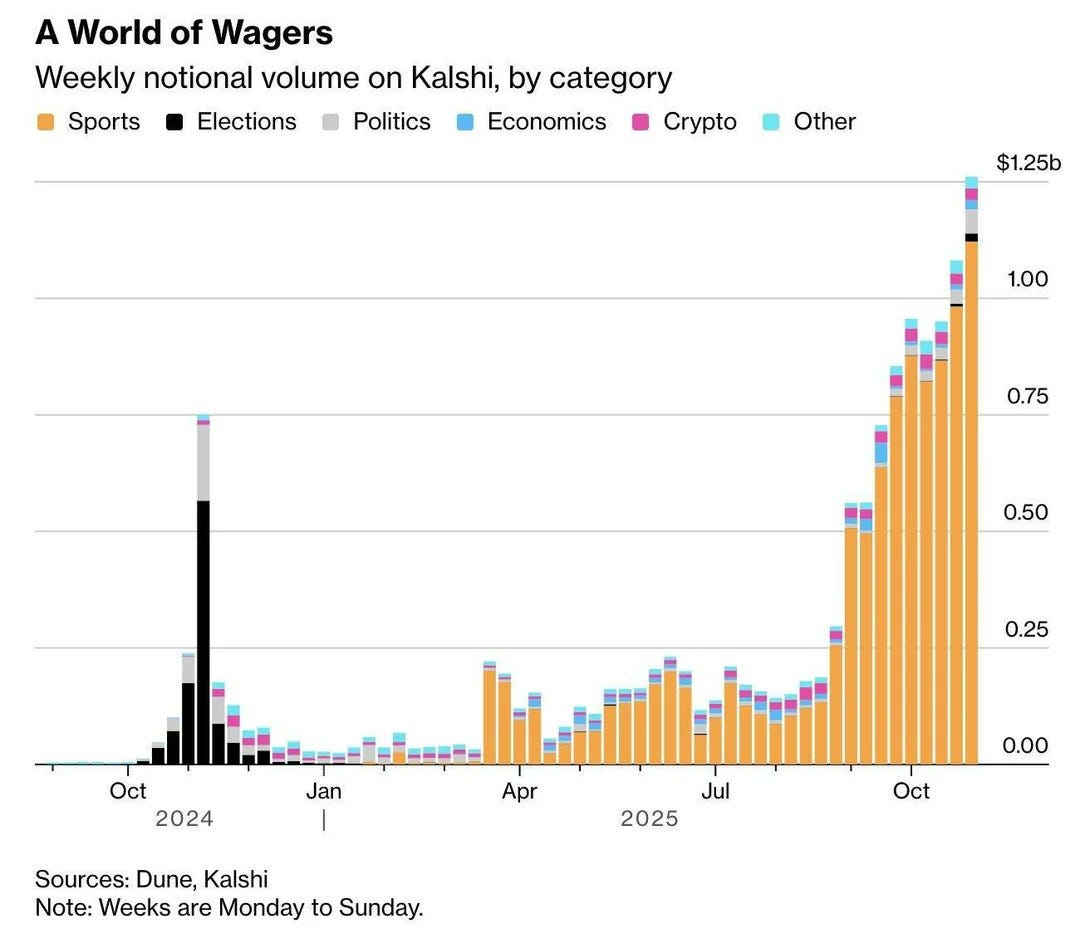
Volume growth in these markets has been enormous, although it is true that most bets are concentrated in sports, which provides no economic or political information. As the informational power of these platforms becomes more evident, the most likely outcome is that this accelerated growth continues and that we see a new paradigm shift in the media and opinion sector—one where the wisdom of crowds also applies. The problem is that, to be accurate, these markets require a lot of liquidity, and because the information is publicly accessible without having to pay, it discourages information seekers from paying to receive market feedback; instead, they try to free-ride. Over time, the most likely outcome is that they introduce a subscription model or that you can only consult information for markets in which you have placed a bet.
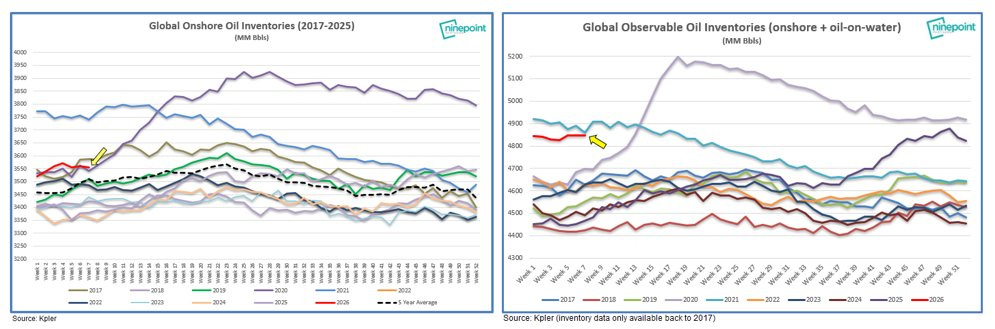
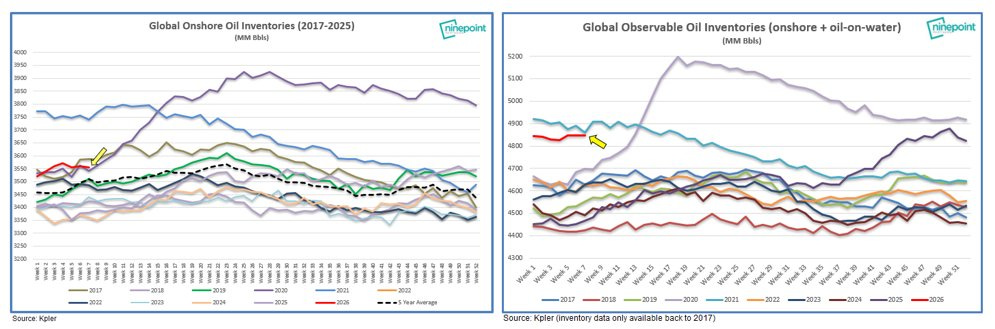
The agencies and analysts pushing the narrative of a massive oil surplus in Q1 2026 no longer have anywhere to hide. If their forecasts were correct, we should already have seen a crude inventory build of around ~170 Mb, yet the reality observed is only 23 Mb (in Q1 there is usually already a surplus due to weak demand, with the five-year average at 41 Mb). So where is the surplus?
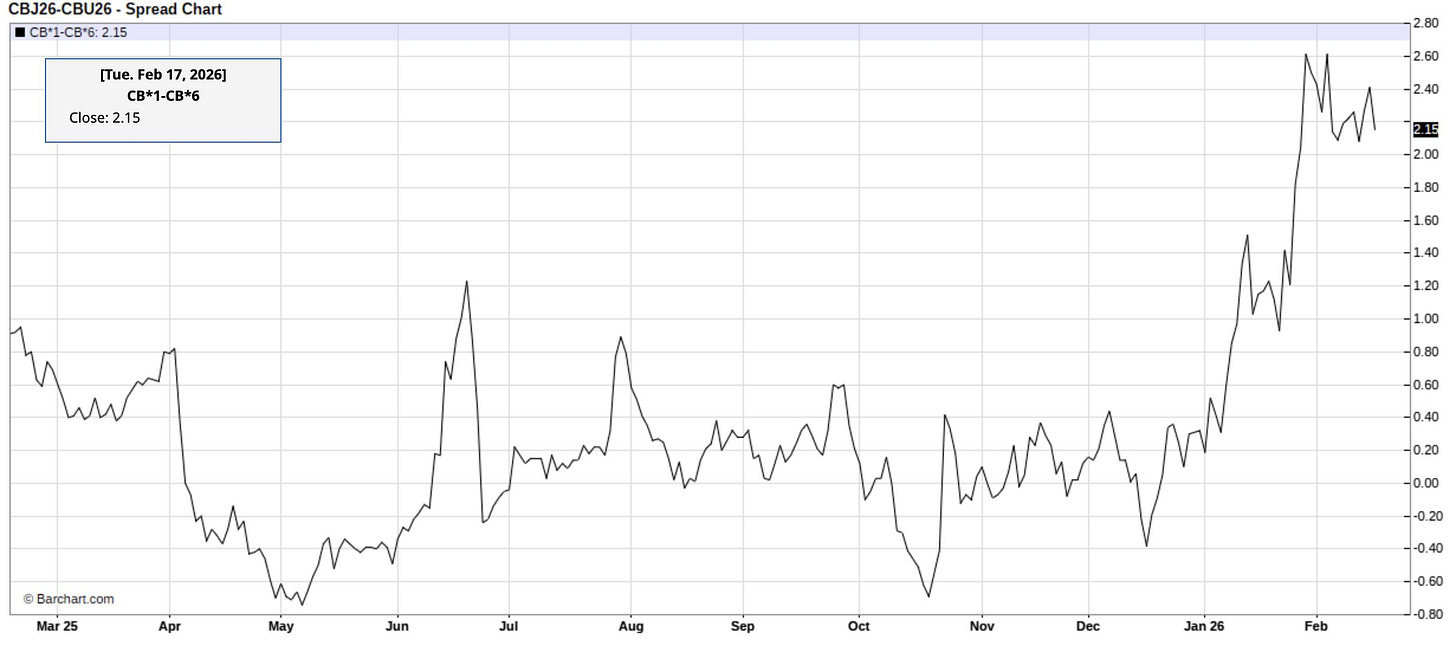
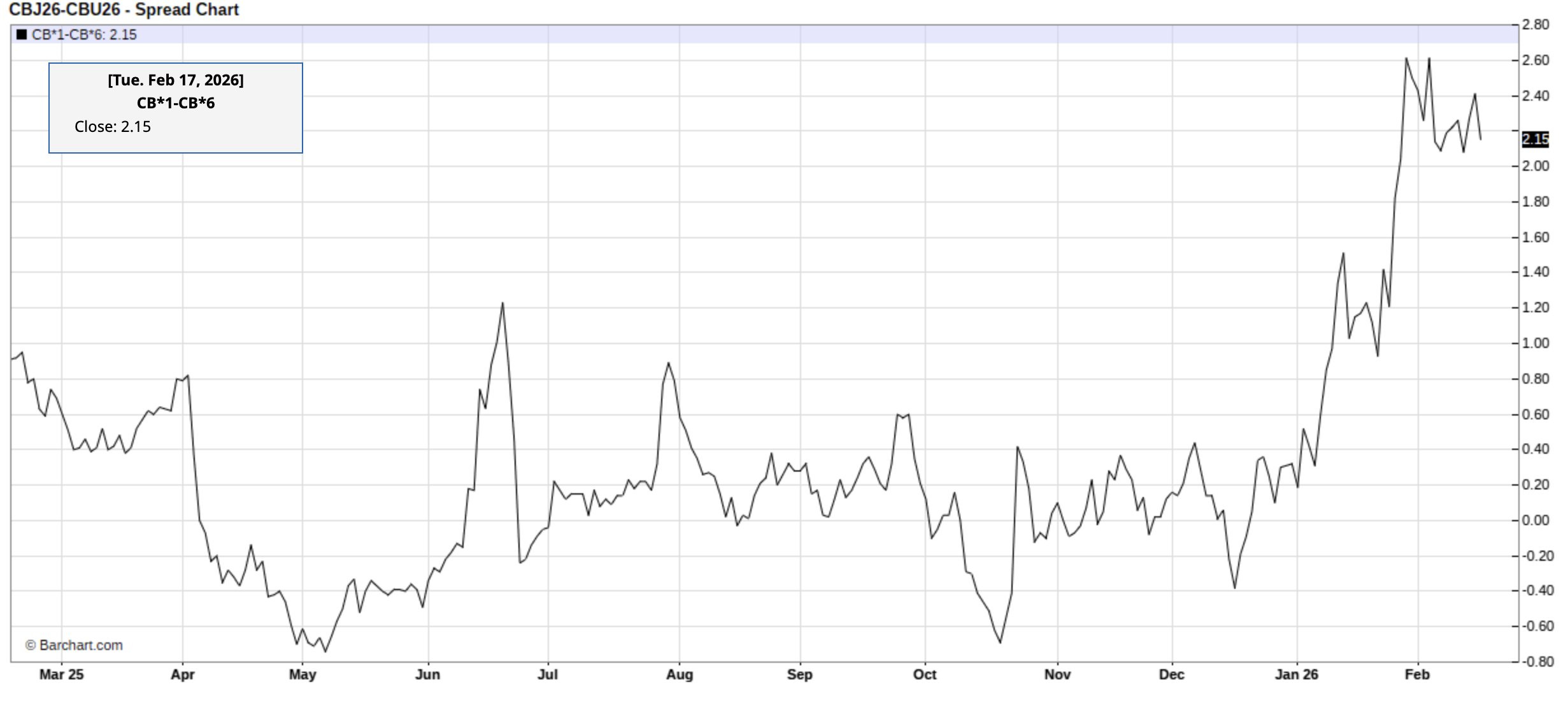
The time spreads are now unambiguous and show a very pronounced backwardation ($2/b is enormous), although it’s true that part of it reflects Iran-related geopolitical risk. As always, it’s necessary to contrast data and narrative to draw our own conclusions and gain a competitive edge in this market.
One of the major problems with these agencies—whose narratives are systematically wrong—is that political bias prevents them from being objective.
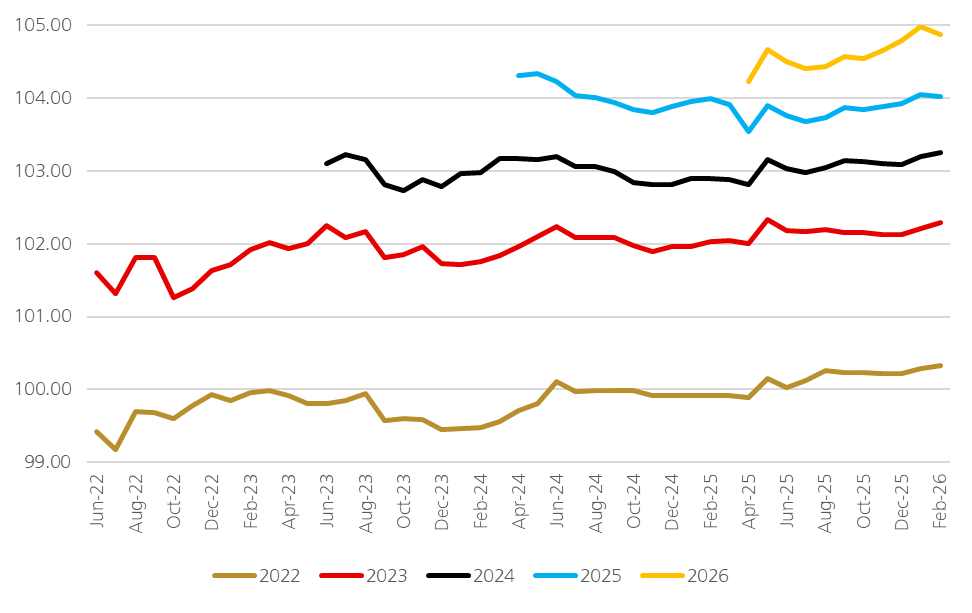
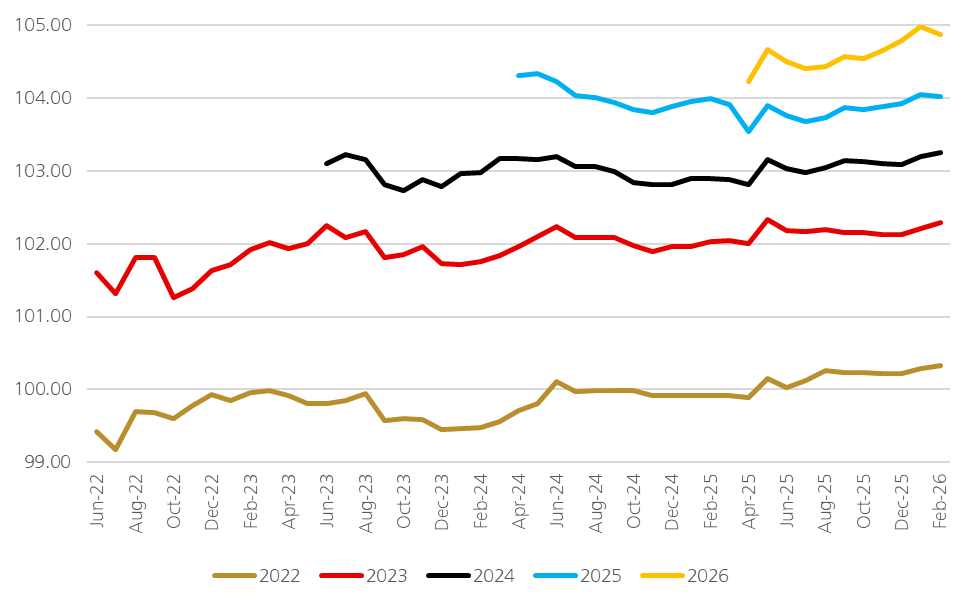
I’m sharing this chart that shows, year by year, the IEA’s oil demand forecasts, and you can see how they consistently underestimate demand growth, which distorts the projected balances. Demand will continue to grow going forward (and it won’t peak in the next decade), while geology will constrain supply growth in the coming years. We are approaching the balance singularity.
Model Portfolio
Year to date, the model portfolio is up +14.97%, versus +0.74% for the S&P 500 (S&P in euros), and +196.4% since inception (September 2022), compared with +51.4% for the S&P 500. The model portfolio, as of Friday's close, is as follows:
⚠️Past performance does not guarantee future results. The historical performance of the model portfolio is shown for informational and educational purposes only and does not constitute investment advice or an offer to buy or sell securities. The returns shown may not include fees, taxes, or other associated costs.
